

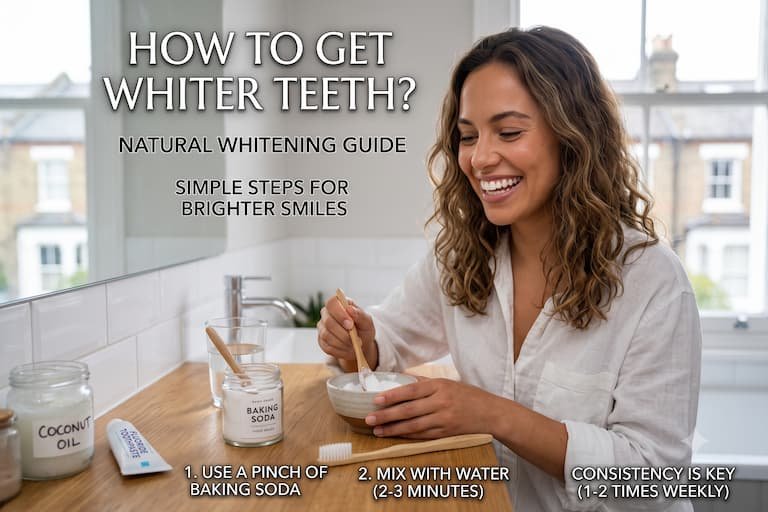
Who does not want a bright, white and dazzling smile? When it comes to how to make the teeth white, plenty of products are available in the market to choose from.
Those who wish to whiten their teeth with chemical agents should be aware that many whitening products use harsh chemicals to bleach their teeth. It may be hazardous to your smile. Are you looking for how to whiten teeth at home with natural alternatives and without harsh chemicals? This blog has many options that are both safe and natural.
First things first, brush your teeth regularly
Start by brushing your teeth regularly! This is by far the most important task that can be accomplished to maintain the brightness of your teeth. If you have not been consistently brushing your teeth on a daily basis, you must begin to do so today. If you have been brushing your teeth on a daily basis and still see a yellowish tint to your teeth, try brushing more frequently. Brush particularly after meals and drinks, as both can contribute to tooth discolouration. It is advisable to avoid brushing immediately after eating or drinking acidic foods or beverages since doing so could promote enamel erosion.
An additional way to add more shine to your smile is to use a whitening toothpaste. In general, whitening toothpastes contain mild materials that assist in removing stains from the surface of the teeth. If you are having difficulties using such products, discuss this matter with your dentist.
Oil Pulling
Oil pulling is the practice of rinsing the mouth by moving oil around within the mouth. It is a method of whitening teeth as well as improving overall oral hygiene.
You can use any type of oil for oil pulling, although most people use sunflower oil or sesame oil. Coconut oil is another popular choice because of its pleasant taste, additional health benefits, and ease of use. People who have used this method have found that it eliminates many of the bacteria that contribute to plaque build-up and yellowing of teeth.
There is little scientific proof that oil pulling actually works for whitening teeth. But many of those who have performed the procedure reported having positive experiences. There is no reason not to try it yourself!
To oil pull using coconut oil, simply take 1 tablespoon of the oil, and swish it around in your mouth for 15 to 20 minutes.
Create a paste out of Baking Soda and Hydrogen Peroxide for Your Teeth
Baking soda is a common ingredient found in numerous toothpaste commercials due to its teeth whitening properties. It does this through its method for abrasively removing stains from the top layer of your teeth. On the other hand, hydrogen peroxide is a natural bleaching agent and kills bacteria.
Together, if you could combine both to create a new type of toothpaste, you would create an excellent tooth bleaching product. You need to mix one tablespoon of baking soda with two tablespoons of hydrogen peroxide to form a paste. You can then use it when brushing your teeth. However, you won’t get super white teeth from only one brushing! You will have to keep using this paste and continue to do so on a daily basis to see progress and improvement.
When you mix equal parts of baking soda and hydrogen peroxide with some water, you can also use this mixture as a mouth rinse. Both ingredients are harmless when mixed properly. If you still have doubts or concerns regarding the formulation of your mix, you should see your dentist straight away.
Rubbing the peels of bananas, oranges, or lemons on your teeth
Like oil pulling, this remedy also lacks scientific evidence. But many people who have tried this seem to like the results. Also, it does not involve any toxic chemicals, so why not?
To try this method out, use a banana, orange, or lemon peel. Rub it on your teeth in a circular motion for about two minutes. After two minutes, rinse your mouth out completely and brush your teeth, as normal.
These fruit peels contain citric acid, which is thought to be beneficial for whitening your teeth. If you experience sensitivity in your teeth or gums, it is most likely from weak or worn enamel. If that is the case, you should avoid using this method.
Eating a diet rich in fruits and vegetables
Crunchy vegetables and fruits can help to remove plaque from your teeth while chewing them. They are not meant to replace regular brushing and flossing. But if a remedy works, it has its purpose. Eating fruits and vegetables also has many other health benefits, giving you multiple health incentives.
There are claims for various fruits including pineapples and strawberries, which are said to have the teeth whitening effect. Bromelain, an enzyme found in pineapples, is recognised as a natural whitening agent and aids in the removal of your teeth stains. Strawberries also have malic acid which removes discolourations from your teeth and make your smile look whiter.
Go to the dentist
Going to the dentist would be the next best option if you are still having trouble with the yellowing of your teeth even after trying the above methods. A professional should examine your mouth and recommend either veneer or a dental implant would be suitable improve the poor health and colour of your teeth.
Veneers are thin porcelain wafers that are cemented onto your teeth after being shaped and polished. They will conceal your natural teeth, providing an artificial colour, shape or position. Veneers do not whiten your teeth; they simply create an illusion of whiteness by providing an artificial layer on top.
If your teeth are unrepairable, then dental implants may be a good choice. Dental implants consist of metal posts that act as anchoring devices for the replacement of artificial teeth.
Foods that can naturally whiten Your Teeth
By eating foods rich in iron, calcium, malic acid and natural abrasives, you can gradually reduce the discoloured areas and remove stains from your teeth.
1. Apples
Due to their crunchy texture, apples work as a natural toothbrush by scrubbing away plaque. They also have a high moisture content that stimulates saliva production. This helps remove the bacteria that contributes to the formation of tartar and staining on your teeth.
2. Strawberries
Strawberries contain malic acid, which is a natural astringent that keeps your teeth from developing stains. They don’t stain your tooth enamel like many other red foods such as tomatoes or red wine.
3. Onions
Onions (especially raw ones) have an incredibly effective natural whitening power. The sulfur in them prevents plaque from adhering to your teeth.
4. Nuts and seeds
Nuts and seeds exfoliate your teeth just like a good scrub down would do for your face. Nuts and seeds, such as walnuts, cashews, almonds, sunflower seeds and sesame seeds, leave abrasives on the surface of your teeth. Eating a handful of these foods regularly will help to eliminate surface stains and limit plaque buildup, resulting in slightly whiter teeth.
If you have eaten any nuts or seeds, be sure to brush and floss afterward. Since many nuts and seeds can become lodged between your teeth, they can create an opportunity for the gums to become irritated. This could lead to periodontal disease and cavities.
5.Broccoli, Celery, and Carrots
Raw vegetables such as celery, carrots, and broccoli also promote teeth whitening through their natural scrubbing action on plaque buildup on your teeth. Celery and carrots both have high water content which encourages your salivary glands to produce more saliva. This helps rinse away bacteria that cause plaque buildup.
Broccoli is particularly beneficial to maintaining good oral health. It is loaded with calcium and iron. Both of these contribute to creating a protective layer over your teeth and protecting them against acidity and the potential to stain and decay.
6. Cheese and Yogurt
Dentists often suggest eating a small piece of cheese after consuming food if you cannot brush your teeth immediately. Like cheese, yogurt contains many of the same nutrients and acids beneficial to oral health. The lactic acid in yogurt helps prevent tooth decay, while the calcium in both dairy products protects your teeth from damage. The dairy product called casein provides additional strength to your teeth by providing a coating that protects the enamel from being worn away.
What are some different teeth whitening methods?
There are many ways to whiten your teeth. However, a dentist can provide specific recommendations for the best approach for you. Some options might include:
- Professional in-office bleaching: The dentist applies a whitening agent to your teeth and it typically requires only one visit.
- Dentist-supplied at-home bleaching products: The second choice is to use an over-the-counter bleaching product. These products will provide you with a comfortable, custom-made tray that will fit comfortably while sleeping or performing other tasks. The tray will be extremely thin, allowing you to continue with your day-to-day activities while wearing it, like working or speaking.
- Over-the-counter whitening products: In recent years, more over-the-counter products have been developed to offer individuals simple solutions for teeth whitening. However, these products may not provide the same degree of whitening as professional treatments. Consult your dentist about what type of over-the-counter product would work best for you.
How long will a whitening treatment last?
It is essential to note that teeth whitening is not permanent. When individuals consume products that can cause discolouration of the teeth, the whitening effect may begin to fade in as little as a month.
Whiteness can be affected by a variety of factors, including severity of staining, the product used, and the individual’s oral health. However, on average, it may be expected to last 6 to 18 months.
The following tips will help you maintain brightness in your smile:
- Stay away from foods and beverages that stain. Any type of drink or food that contains acids or tannins can easily dim the bright whiteness of your teeth. The following drinks contain those types of products, so it is best to avoid them when trying to get that bright, shiny smile. White and red wine, sports drinks, carbonated beverages, black tea, coffee, berries and other dark-coloured fruits or vegetables, soy sauce, curry, and tomato sauces.
- Rinse and brush your teeth after drinking or eating stain-causing items.
- Keep up with good oral hygiene. Brush your teeth two times per day and floss your teeth at least once per day. Both of these actions will help remove plaque from your teeth. Also, please rinse your mouth with an antiseptic mouthwash (at least once a day) which can reduce the number of bacteria causing plaque. Use whitening toothpaste (no more than twice a week) to remove the surface stains from your teeth. This helps prevent the yellowing process of your teeth. Use regular toothpaste rest of the time.
- Eat plenty of fruits and vegetables, as well as foods rich in calcium. Eating fruits and vegetables will help scrub your teeth.
- Quit using any form of tobacco. Smoking cigarettes, cigar, pipe, and chewing tobacco can all cause your teeth to become yellow. Quitting will result in not only a brighter, whiter smile but also a healthier heart.
- Schedule regular dental cleanings with your dentist. A professional dental cleaning will remove the plaque accumulation on your teeth, and it is this plaque that collects the stains from all the things you eat and drink.
- Use a straw to drink. The straw will reduce the amount of staining liquid that comes into contact with your teeth.
- If you used a home whitening product, consider the need for touch-ups every 6 months. Continue this up to a year or two after using the home whitening product. If you are a smoker or drink many beverages that cause teeth to stain, be sure to keep up more often with your follow-up touch-ups.
Final Thoughts
Several natural ways to whiten your teeth exist. And, many of those methods take a very soft approach to removing stains from the surface of your teeth. However, dentists provide much stronger whitening options than these natural remedies. The dental methods involve professional bleaching of your teeth and can be more effective if you are experiencing very heavy staining on your teeth. If you use any whitening method in excess, then you will be at risk of irreversible damage to your teeth.
If you want to determine your best options for how to make teeth whiter, speak with your dentist to understand the choices available to you.
Frequently asked questions
What causes teeth to look yellow?
There are many potential sources for dull, yellowing teeth. Some foods such as berries, cola drinks, and curry can contribute to tooth staining due to their high levels of chromogens and sugar. In addition to eating foods that lead to tooth staining, not maintaining regular dental hygiene can also indicate a lack of attention to dental health and lead to stained or discoloured teeth.
In some cases, yellowing teeth may be attributed to erosion of the hard enamel layer of the teeth and exposure to the softer area of the tooth called dentin, which is naturally yellow in colour.
What is the best way to whiten your teeth?
The specific method for whitening your teeth will depend on your goals, preferences and budget. Effective teeth whitening methods may involve combining a variety of techniques. These may include using hydrogen peroxide or baking soda, oil pulling, or maintaining a healthy diet, as well as eliminating foods and beverages that can discolour the teeth.
What are some common mistakes when brushing teeth?
Common mistakes made when brushing your teeth include applying too much pressure when brushing, or not spending enough time brushing. In fact, brushing your teeth immediately after eating, and not replacing your toothbrush regularly are also not favourable for your oral health.
